Ocimum sanctum
Latin Name: Ocimum sanctum
Herb Class/Action: Adaptogen, Nootropic, Carminative, Nervine
Parts Used: Leaves, fresh or dried, seeds, stems
Flavors: Pungent, bitter, astringent
Energetics: Warming
Traditional Benefits: Nervous system support, digestive system support, mood support, brain support, respiratory support, liver support
One of Ayurveda’s most powerful and sacred herbs, Tulsi (“the incomparable one” in Hindu) is considered the “queen of herbs” due to its wide and diverse benefits for brain and nervous health.*
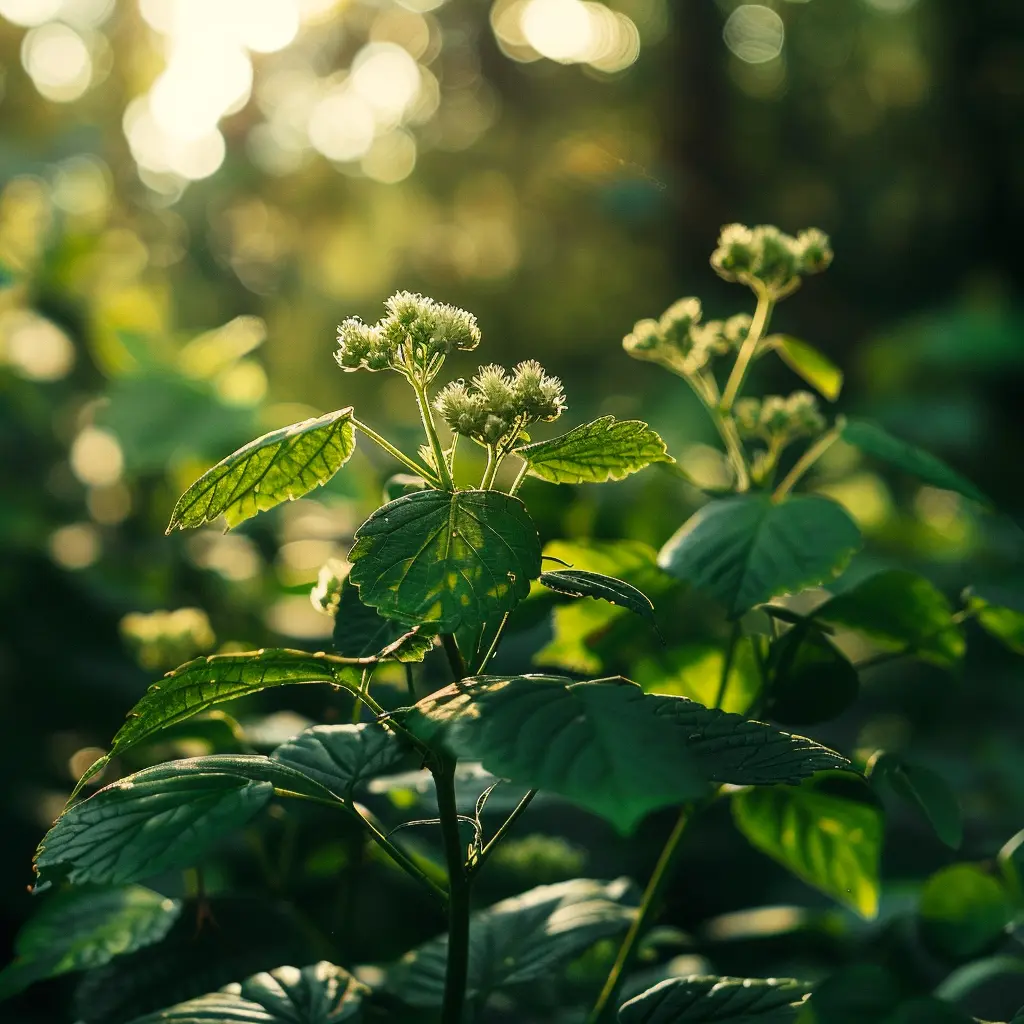
An essential part of Ayurvedic herbalism, Tulsi is a low-growing bush and part of the lamiaceae (mint) family. It grows wild in hot climates—primarily north-central India. Its flowers are both male and female, which lets this vital plant self-fertilize. Its ability to reproduce and thrive on its own says a lot about the herb’s value in herbalism.
What can’t Tulsi (aka Holy Basil) do would be an easier question to answer than what it can do.

To start, Tulsi is often used—either on its own or within an adaptogenic blend—to help support a healthy stress response. It addresses adrenal health and HPA axis balance, the effects of occasional stress (especially when it comes to a healthy inflammatory response), occasional tension, low spirits, and cognitive health. In Ayurveda, this herb is considered ‘Sattvic’ in nature, which helps increase calm clarity of the mind, harmony in the spirit, and overall spiritual illumination. Notably, Tulsi supports the heart chakra, which can bring about clarity around our true nature and soul purpose.
Tulsi can help support efficient digestion and absorption of nutrients from food. It’s also shown to have alterative properties—aiding in detoxification pathways and microbiome balance.*
Tulsi is commonly prepared and consumed as a soothing tea, tincture, or in capsule form. Holy Basil essential oil can even be distilled or diffused to support some of the same spiritual, relaxation-supporting, calming benefits as when taken orally. *
Note: Tulsi is typically not recommended for use while pregnant, nursing, or trying to conceive.
Tulsi (Holy Basil) is so valuable and revered, that nearly every household in India grows a tulsi plant outside their home.