
Latin Name: Commiphora myrrha
Herb Class/Action: astringent, microbiome balancer, blood mover, healthy inflammatory response support, hepato-supportive
Parts Used: Oleo gum resin
Flavors: Bitter, pungent, aromatic, acrid
Energetics: Warming, drying
Traditional Benefits: Circulatory support, damp draining, digestive support, respiratory support, heart support, musculoskeletal support, immune support, supports a healthy inflammatory response, liver support
A sacred herb traditionally reserved for ceremony and celebration, Myrrh is a sap-like resin with a fiery, invigorating effect on the blood; offering clearing and enlivening properties to cold and stagnant states.
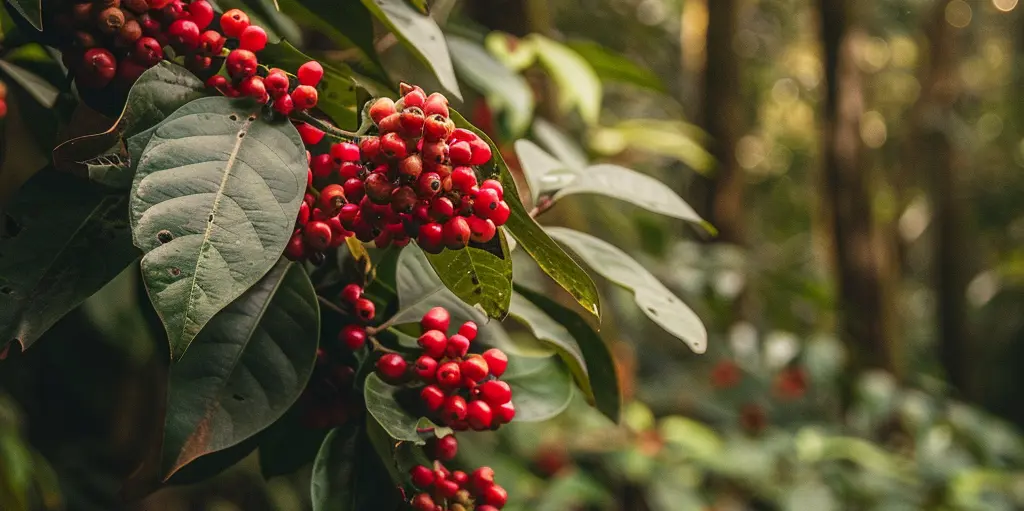
When a plant grows thorns to defend itself, you know it’s protecting something special—and that’s definitely the case with Myrrh. Native to Southwest Asia and Northeast Africa, Myrrh is a thorny tree or shrub, whose bark and stem resin has been sought after since at least the 15th century B.C. And when we say sought after, we’re talking about a hot commodity. Myrrh has been the object of expeditions, highly valued on ancient spice routes, gifted to and from royalty and deities, and more.
Embraced by many cultures, practices, and more recently, even modern medicine, Myrrh’s value has remained a constant over time. Myrrh has traditional roots in Ayurveda and TCM, offering blood-invigorating, revitalizing properties that bring new life to damp and boggy tissue/energetic states.

Myrrh can be consumed internally, used topically, or burned as incense. In recent years, Myrrh essential oil has become popular, as its woody, bitter scent evokes a warm, grounded feel that helps to clear the mind with its damp-dispersing aromatics.
Aside from its notable scent, what all has earned Myrrh its sought-after reputation (and continued to uphold it for this long)? For starters, this resin contains sesquiterpenes and triterpenes. Sesquiterpenes are known for their antioxidant and reparative properties, while triterpenes offer support for a healthy inflammatory response, occasional stiffness and soreness after exercise, liver detoxification pathway support (as well as the maintenance of healthy cholesterol levels), heart and circulatory support, and metabolic support for the healthy processing of carbohydrates.
Like many resinous compounds, Myrrh is warming, invigorating, bitter, and clearing/balancing to the microbial terrain. Warming, aromatic-rich “clearing” herbs tend to be used when the body or mind is “stuffy” (when one feels metaphorically foggy, stuck or congested), as they achieve we’d do with a stuffy room – open a window to bring fresh new circulation and life into a space that needs refreshing. The aromatics in Myrrh help to “open a window” in the body and mind, bringing movement and circulation, maintaining healthy blood flow, and clearing the terrain when stagnation has been present, especially in the liver and glands.
As Myrrh helps to move the blood and lymph, it also supports the healthy flow and elimination of toxins from cells and tissues. Myrrh is said to have a ‘scraping’ action, essentially helping to clear any stuck debris in that stuffy room – whether that debris has built up as “dampness” in the digestion creating stagnation and sluggishness, or elsewhere such as the liver.
As a warming bitter, Myrrh acts on the digestive system by signaling healthy digestive secretion and metabolic function (i.e. supporting healthy insulin sensitivity). Think of Myrrh as encouraging your metabolic and digestive fire to burn nice and hot, preventing and burning through build-up in the body and mind.
In Ayurveda and other traditions, Myrrh can also be found in mouthwash/gargles to help prevent and address odorous breath, gum health, and other oral concerns. Its microbial balancing properties help support oral health on a microbiome level, and to this day, Myrrh can be found in natural toothpastes and mouthwashes.
Legend has it that the daughter of Thesis, a dangerous Syrian king, was transformed into a Myrrh tree to escape her father’s wrath.