Monarda fistulosa (Lamiaceae)
Latin Name: Monarda fistulosa (Lamiaceae)
Herb Class/Action: Carminative, Diaphoretic, Antiseptic, Stimulant, Expectorant, Emmenagogue
Parts Used: Leaves, Flowers
Flavors: Aromatic, Bitter, Spicy
Energetics: Warming, Diffusive
Traditional Benefits: Immune support, fever support, digestive system support, respiratory support
An herb that you can find growing wild virtually all over North America, Bee Balm has been used medicinally for hundreds of years tracing back to many native tribes. Bee Balm is best known for its aromatic and immune-stimulating properties. However, Bee Balm also makes for a flavorful culinary herb with flavor profiles and constituents similar to thyme and oregano.
Bee Balm is a well-rounded herb that is used both medicinally and culinarily. Bee Balm is often referred to as wild oregano as its constituents and flavor profiles are very similar to oregano and thyme. Bee Balm shines through and through as a powerfully aromatic herb chock-full of volatile oils that contribute to its antiseptic and immune-supporting qualities, an herb you’ll want to have on hand to get through cold and flu season.
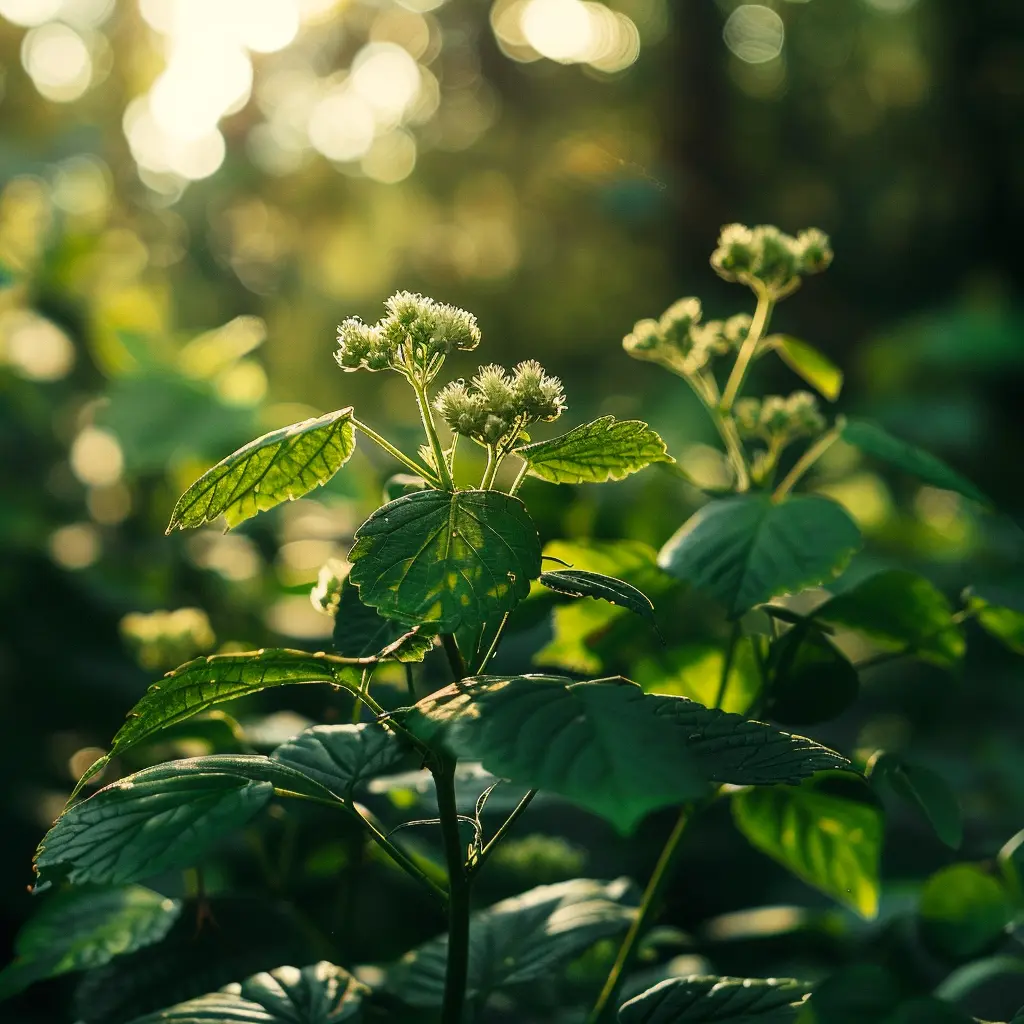
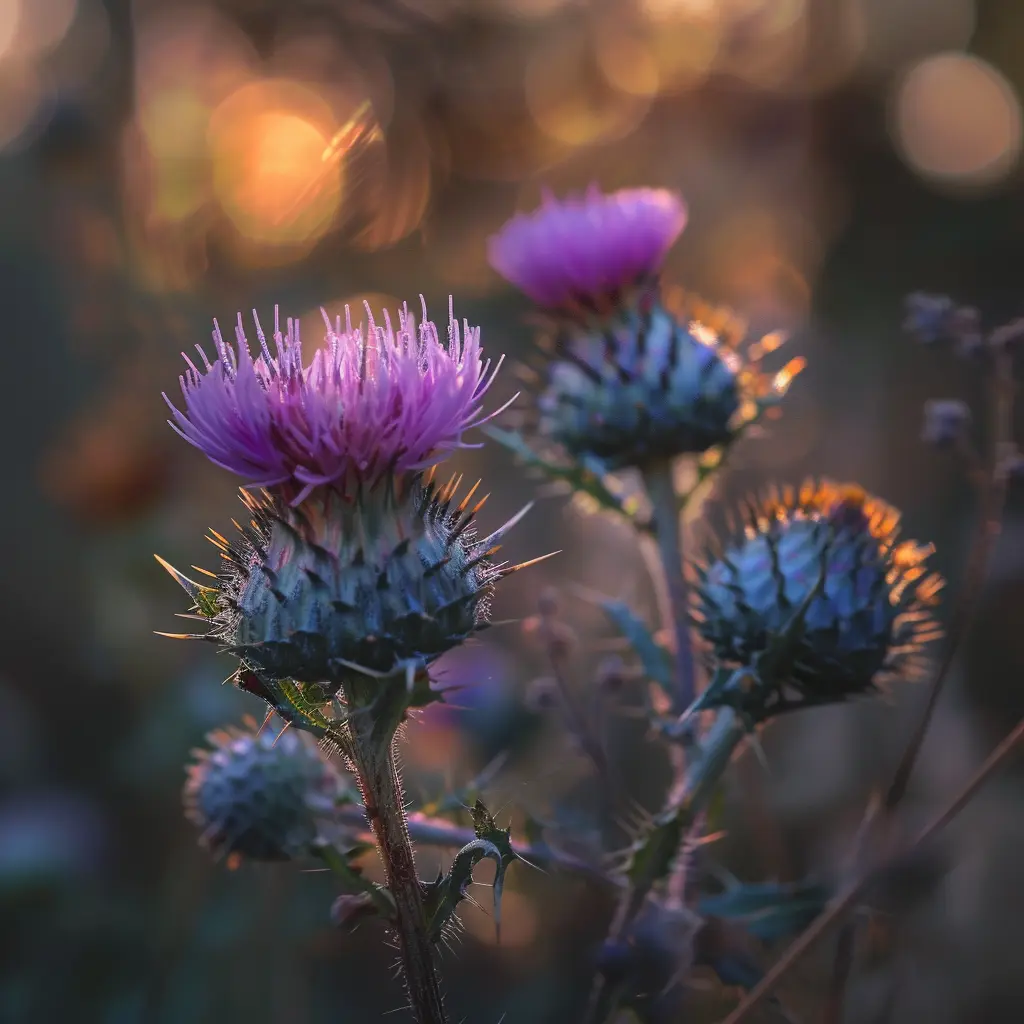
Bee Balm is a perennial herb that grows up to five feet tall with flowering heads that are often a deep red or purple color. The flowers resemble fireworks, which speaks to the ‘firey’ and sometimes spicy flavor of Bee Balm. Bee Balm’s generous flowering blooms also make it a pollinator favorite and easy to grow garden herb. This herb is often described as endemic to North America and grows wild throughout the US and Canada. It has been used medicinally by many Native American tribes including the Cheyenne, Cherokee, Lakota, and more.

Bee Balm is in the mint (Lamiaceae) family, and unlike many of the herbs in the mint family, it is very warming and oftentimes packs a spicy punch. This flavor profile makes Bee Balm an excellent addition to broths and spice blends.
While Bee Balm has a wide range of uses, it really shines as a diffusive immune support herb. We use the word ‘diffusive’ to describe its ability to break up stagnant energy and really move it throughout the body. You’ll immediately feel that diffusive and warming action when sipping on a hot infusion of Bee Balm. Bee Balm works its diffusive magic by helping break up any stagnant mucus in the respiratory tract. It is also a premier diaphoretic herb that helps move heat up and out of the body by inducing perspiration and increasing peripheral circulation. This is an excellent herb to reach for if you’re fighting off a high fever that is presenting with symptoms like cold and clamminess.
Aside from its immune-supporting properties, Bee Balm is also a carminative herb. Herbs that are carminative help to relieve gastrointestinal upset like bloating, cramping, and other symptoms of indigestion.
Bee Balm can be used medicinally in tea infusions and tinctures. It can be a little bit overpowering on its own, so it is best used in a formula combined with other herbs. An infused honey with Bee Balm is excellent to have on hand as a soothing cough syrup. Bee Balm is also really great herb to use in an herbal steam to help break up congestion…a truly versatile herb.
The flowers of Bee Balm resemble colorful fireworks, which speaks to the ‘fiery’ and sometimes spicy flavor of this herb.