
Vaccinium macrocarpon
Latin Name: Vaccinium macrocarpon
Herb Class/Action: antiseptic, anti-cancer, anti-inflammatory, antibacterial, vasodilator, diuretic
Parts Used: Fruit
Flavors: bitter, sour, cold
Energetics: cooling, tonifying
Traditional Benefits: reduces inflammation, supports digestion, antioxidant, encourages appetite, fights infections, cardioprotective
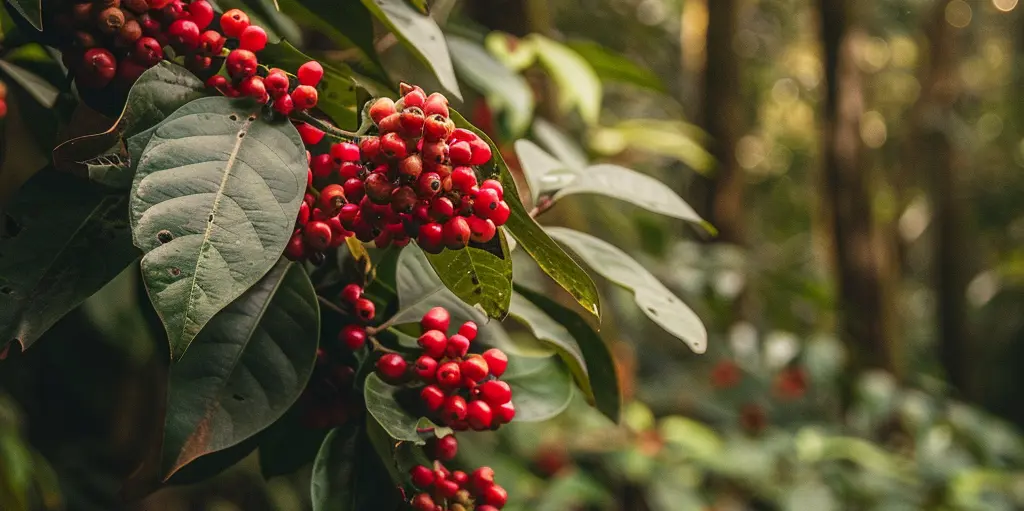
Packed to the brim with antioxidants, vitamins, and minerals, cranberry is one of the most potent superfoods in the world. The bright red fruits have been used for centuries to fight inflammation and protect against bacterial or viral infections, with a special affinity for the urinary system.
Most of us wouldn’t consider cranberries to be a medicinal herb – rather, many think of them as a food enjoyed once or twice a year, probably around the holidays. But the therapeutic uses of the small but mighty superberries can be traced all the way back to the early 1500s, long before English colonizers first cultivated them around 1800.
Native Americans crushed up wild cranberries and applied them topically to wounds and sores to prevent bacterial infection, reduce inflammation and protect any broken skin. Additionally, the high vitamin C content in cranberries (up to 48% of their contents!) made the fruits a tried and true defender against scurvy throughout history. Other powerful antioxidants found in cranberries are vitamin E, vitamin K, phenolic acids, anthocyanins, tannins and flavonoids. These compounds are extremely supportive to metabolic health, cardiovascular function, immunity, cognition and even teeth!

But by far the most potent and clinically studied constituents of cranberries are the soluble proanthocyanidins (PACs). These MVPs are the bioactive chemical compounds that give the tiny fruits their characteristic bright red color and set cranberries apart from other pigmented, antioxidant-rich berries. Researchers found that the highly specific A-Type linkages in cranberries, and nowhere else in the plant kingdom, inhibit the adhesion of E.coli and other pathogenic strains of bacteria to the walls of the urinary tract and other mucous membranes (like the gut). This is particularly important for women who struggle with chronic UTIs since cranberry PACs offer protection from stubborn antibiotic resistant strains of E. coli that fail to respond to rounds of antibiotics.
When it comes to consumption, not all cranberry products are created equal, as processing fresh cranberries can dramatically impact the PAC content and result in minimal to no PACs in the end product. For instance, foods and supplements that are made from the byproducts of the cranberry juice industry contain insoluble PACs that do not hold a candle to the insoluble PACs involved in preventing adhesion of E. coli bacteria to cell walls. This is why it’s important to source foods, drinks and supplements that contain whole food cranberry in a concentrated form.