Echinacea spp.
Latin Name: Echinacea spp
Herb Class/Action: Alterative, Healthy Inflammatory Response Support, Rejuvenative, Lymphatic
Parts Used: Root, flowers, seeds
Flavors: Pungent, acrid, bitter
Energetics: Cooling, mildly drying
Traditional Benefits: lymphatic support, immune support, skin rejuvenation support
Nature’s most famous winter remedy, Echinacea, helps support both the immune and the lymphatic system to assist the body’s natural production and movement of healthy immune cells.*
Native to the central United States and Canada, Echinacea is a flower in the daisy family—first used widely by Native Americans and introduced into Western herbalism in the late 19th century. Some of the most prevalent varieties include echinacea purpurea, echinacea pallida, echinacea paradoxa, and echinacea magnus.
For more than a century, echinacea has been one of the top-selling herbs in the United States (and much of the Western world).

With that being said, it’s also very much commonly misused. Echinacea functions primarily as an immune stimulating herb—which means it supports your immune system when it’s time to kick things up a notch. It’s often mistakenly thought of as an immune tonic or immune modulator, but the herb does not actually have any long-term strengthening, nourishing, or balancing effects on the immune system. Rather, it’s best to use this herb on an in-the-moment basis.*
Because the dried plant material has a relatively short shelf life, Echinacea is best consumed in liquid form: as an extract, tincture, or syrup. Similarly, if consumed fresh, echinacea tea has the same benefits.
Echinacea also happens to increase saliva, which supports a healthy pH in the mouth and throat in order to support healthy boundaries when it comes to the immune system. When saliva and a healthy mucosal layer coat the throat, microorganism balance is easier to maintain in surrounding tissue.*
Energetically speaking, in the lens of TCM, Echinacea opens the exterior in order to dispel “wind and heat”. In traditional herbalism, it’s considered a “blood purifying” herb.*
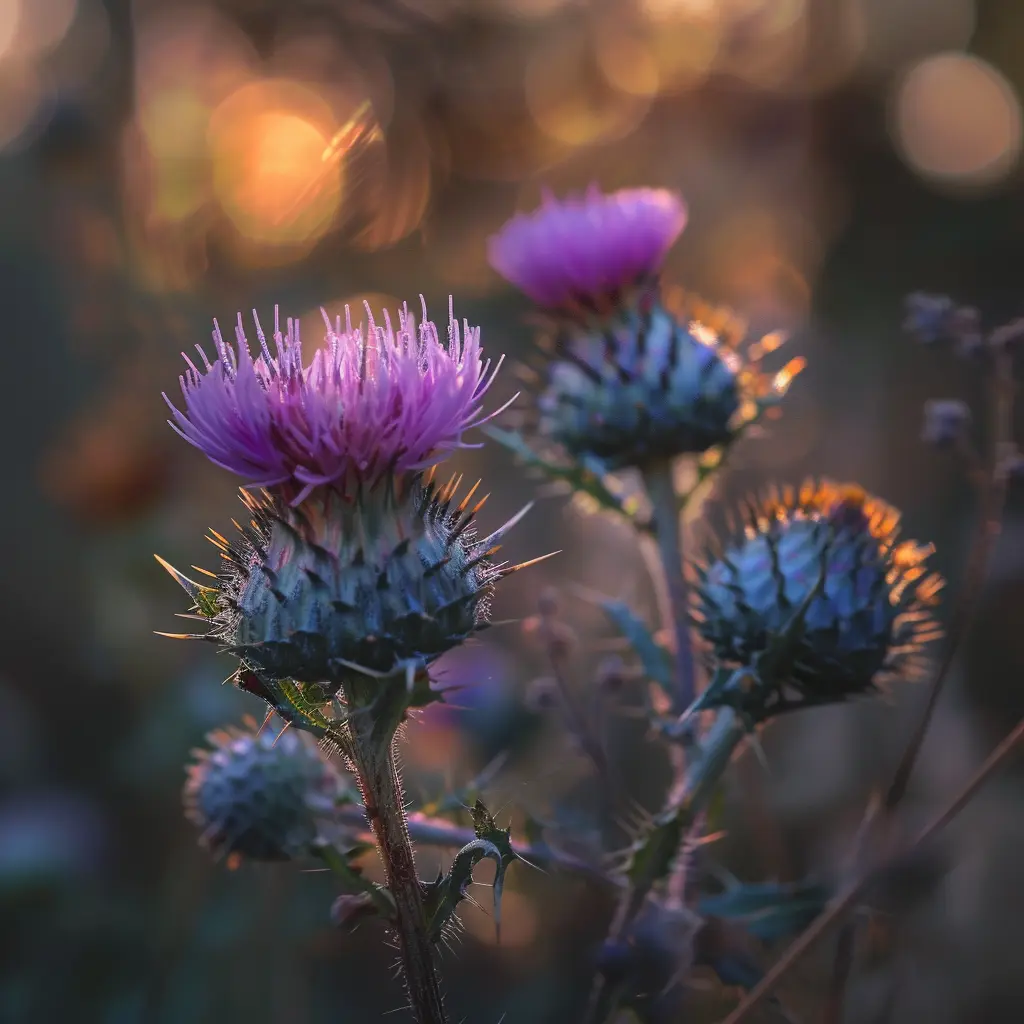
Echinacea comes from the Latin word “echinos” (meaning, “sea urchin”). This describes the spiny cone at the flower’s head