
Gentian

Gentiana lutea

Latin Name: Gentiana lutea

Herb Class/Action: Bitter Tonic, Hepatic, Cholagogue, Alterative

Parts Used: Root 

Flavors: Bitter

Energetics: Cold

Traditional Benefits: Digestive support, liver support, energy support, depletion support, mood support, tension support

Gentian is one of the most powerful digestive bitter tonics we have. Used traditionally for damp heat and stagnation in the stomach and liver meridians, she gives us a boost to say goodbye to what is no longer serving us (whether that’s something physical we need to eliminate through the digestive system, or thoughts and beliefs we’ve been chewing on).*

Used for centuries in herbal remedies and to flavor food and drinks, Gentian is a powerful bitter tonic—and a little goes a long way. In TCM, Gentian is used to clear excess heat in the body, relieve “wind-damp” stagnation that may be creating minor and occasional discomfort in the musculoskeletal system, and restore depleted yin (moisture) in the body. Because it’s so potent, it’s usually formulated with other herbs to create a well-balanced formulation.*

Gentian’s bitterness has proved to be a welcome taste in drinks and foods. It’s a common flavor profile in Angostura bitters and vermouth, and it adds a nice bite to soups, stews, and vegetables. In the 18th century, Gentian wine was served as an aperitif to support digestion after meals.

Similarly, Gentian root extract is used today in TCM to help promote healthy digestion. This cold, bitter herb has a downward draining action that helps stimulate the healthy and normal secretion of saliva, hydrochloric acid, bile, and digestive enzymes.*

Gentian is named for King Gentius of Illyria (180-67 BC), who is said to have saved his army from a mysterious ailment by introducing them to this herb.

See Literature

Lorem ipsum dolor sit amet, consectetur adipiscing elit. Ut elit tellus, luctus nec ullamcorper mattis, pulvinar dapibus leo.

Check these powerful stress clearing organic ingredients

Rhodiola rosesa

Schisandra chinensis

Withania somnifera

Eleutherococcus senticosus

Zingiber officinalis

Rhodiola rosea is a clinically backed adaptogen that helps regulate the HPA axis and cortisol levels, protecting your body from the effects of chronic stress. It boosts cellular energy, supports neurotransmitter balance, and enhances focus and resilience—so you stay clear, calm, and energised under pressure.

Read more in our encylopedia

Schisandra chinensis enhances both phase I and phase II liver detoxification pathways to eliminate any toxin in your body effectively. Its potent lignans boost glutathione levels and protect liver cells from oxidative stress—supporting clean energy, mental clarity, and a more resilient response to daily toxic load.

Read more in our encylopedia

Better known under the name Ashwagandha, is a neuroendocrine tonic traditionally used to calm the nervous system and restore vitality. It helps regulate cortisol, enhances GABA signalling, and supports thyroid and immune function—promoting deep, restorative calm, sharper focus, and long-term stress resilience.

Read more in our encylopedia

Eleutherococcus senticosus is a powerhouse that strengthens your stress response and supports long-term energy without overstimulation.  It enhances oxygen uptake, mitochondrial function, and cognitive performance—helping maintain stamina, focus, and physiological balance during periods of mental and physical demand

Read more in our encylopedia

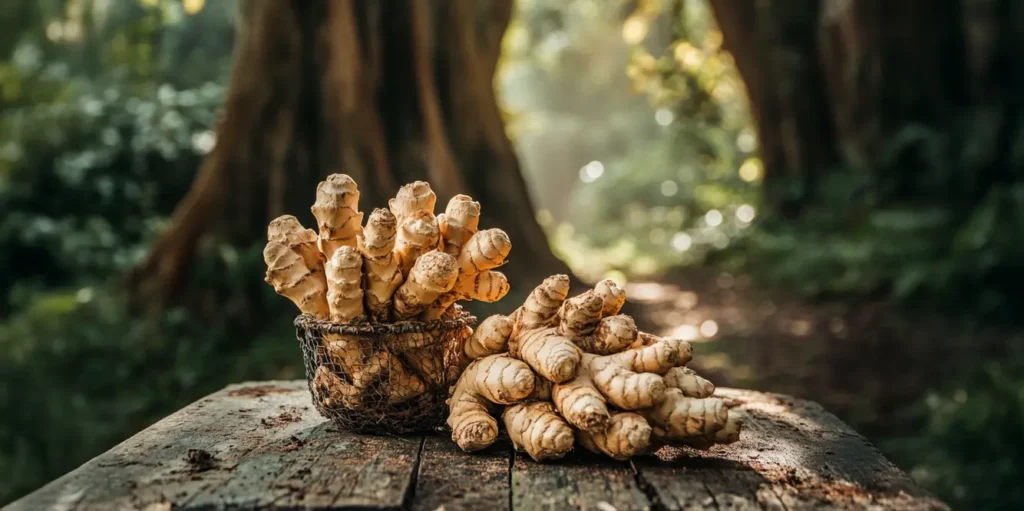
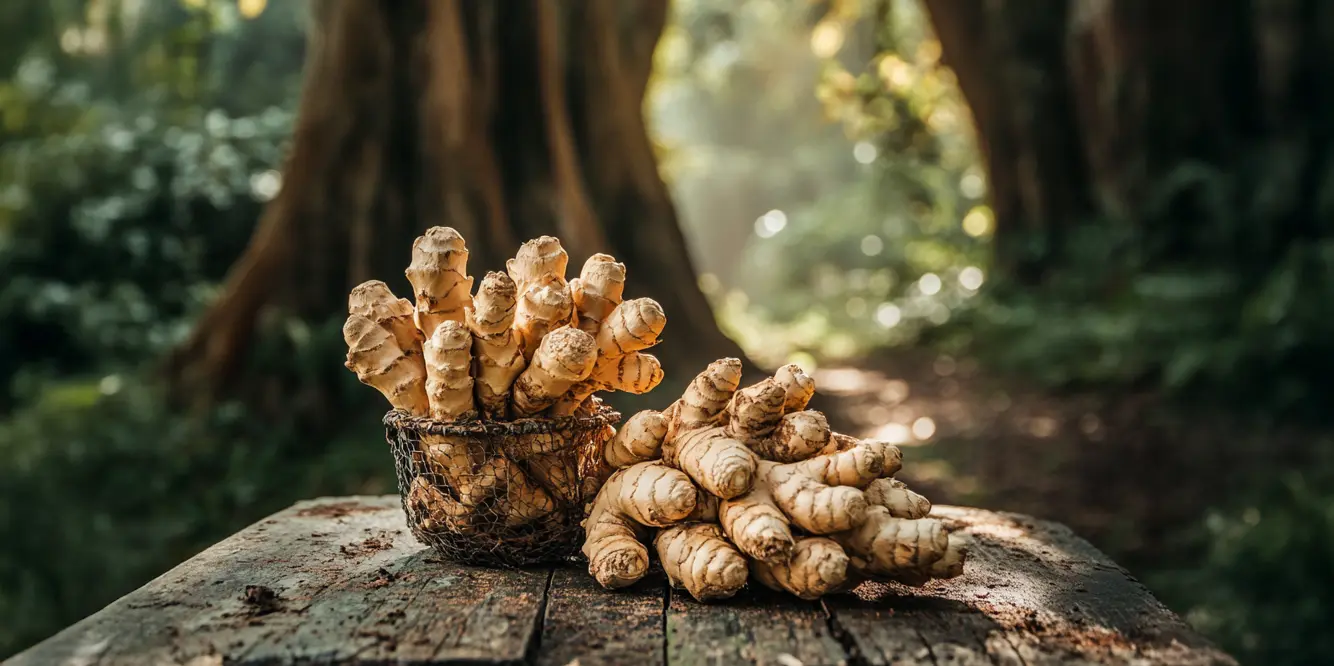
Zingiber officinale enhances the bioavailability of herbal compounds by stimulating hepatic enzyme activity, increasing bile secretion, and improving gastrointestinal motility—optimising nutrient absorption and the therapeutic efficacy of botanical formulations.

Read more in our encylopedia