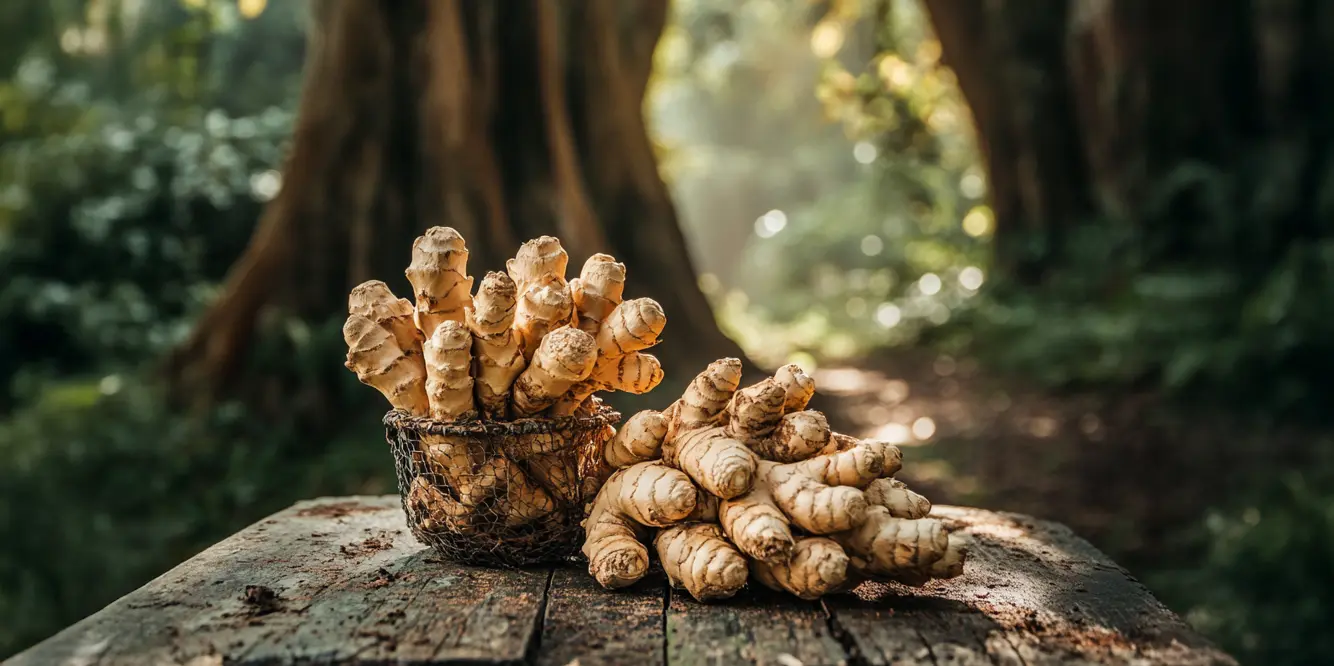

Piper methysticum
Latin Name: Piper methysticum
Herb Class/Action: Healthy Inflammatory Response Support, Nervine
Parts Used: Root of mature plants
Flavors: Pungent, acrid, bitter
Energetics: dry, slightly warming
Traditional Benefits: Mood support, muscular support, kidney + bladder support
An herb so good, you gotta say it twice. Kava (often called “kava kava”) helps combat occasional stress and promotes relaxation in the mind and body.*
We all have our moments of occasionally feeling anxious, stressed out, tense, irritable, restless to varying degrees. Self-soothing and coping mechanisms may help, but some moments call for plant intervention—for times when you need a little help from herbs, we have Kava Root (aka “kava kava”).
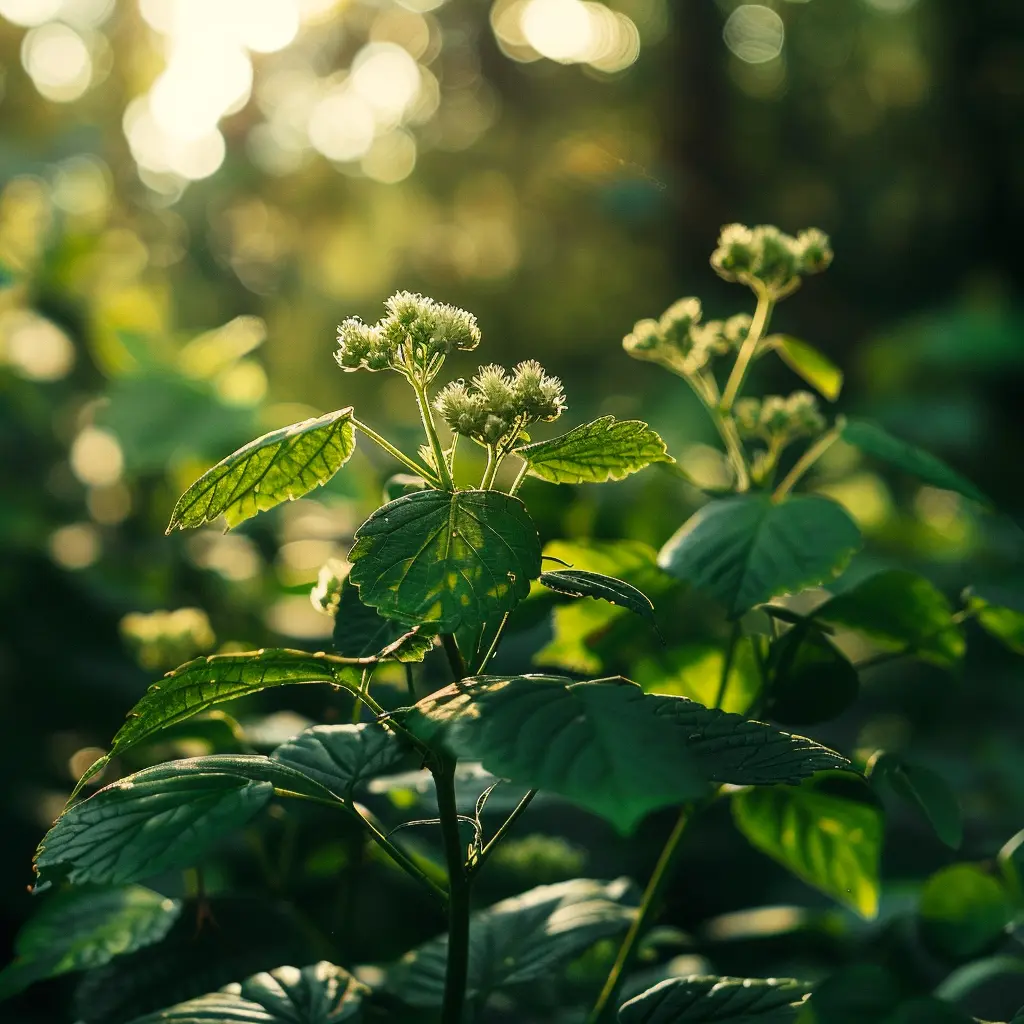
So, what is Kava? Native to the South Pacific, Kava is an herb, whose mature plants are harvested for their roots. It’s commonly used in traditional Polynesian herbalism, and has made its way into more widely consumed remedies in recent years purely due to its unique effectiveness for both the body and mind that you don’t often find in the plant kingdom.

You’ll most commonly find it ground into a powder for consumption as a supplement or tincture. Kava coffee or [occasional] “stress tea” can be widely found—even at national supermarket chains—and tastes warm, earthy, and slightly bitter. Kava bars have even popped up around populated areas like NYC, with people often choosing this beverage instead of more insidious ways to take the edge off.
Though it’s usually associated with occasional mental stress, Kava should not be overlooked for its physical health benefits, such as relieving occasional, minor muscle tension. As a supreme relaxant, Kava equally promotes physical and mental relaxation. Wherever there’s a feeling of tightness—Kava eases in to calm, loosen, and relieve.*
Best of all: It can calm and soothe your mood without inducing sleepiness or impairing cognitive function, which makes it suitable to consume throughout the day.*
Keep in mind: Kava is not a “building” tonic that nourishes the nerves from the ground up. It’s best used to provide quick relief and is not likely to help your mind or body better tolerate stress the way that adaptogens will. It’s an as-needed, in-the-moment support aid.*
There are contraindications with this herb that should be carefully minded, as is the case with many other herbs. Kava should be avoided during pregnancy or lactation. Second, Kava and alcohol don’t necessarily mix. Check with your healthcare provider and/or exercise caution if you have liver disease or are consuming excess alcohol or using any of the following: barbiturates, psychotropic drugs, hepatotoxic drugs.
It’s been said that, “hate cannot exist in the presence of Kava”— Jim McDonald. Kava has traditionally been given to feuding parties before they talk to help diffuse tension.