Olea europaea
Latin Name: Olea europaea
Herb Class/Action: Healthy Inflammatory Response Support, Astringent, Nutritive, Digestive Tonic
Parts Used: Leaves, fruit, oil
Flavors: Leaf: bitter | fruit: sweet, salty
Energetics: Leaf: cooling, drying | fruit: warming, moistening
Traditional Benefits: Circulatory support, heart support, immune support, digestive support, lung support
Olive Leaf is one of the world’s oldest plant allies, revered in Ancient Egypt and Greece for its ability to support the immune system, digestion, circulatory health, and brain.*
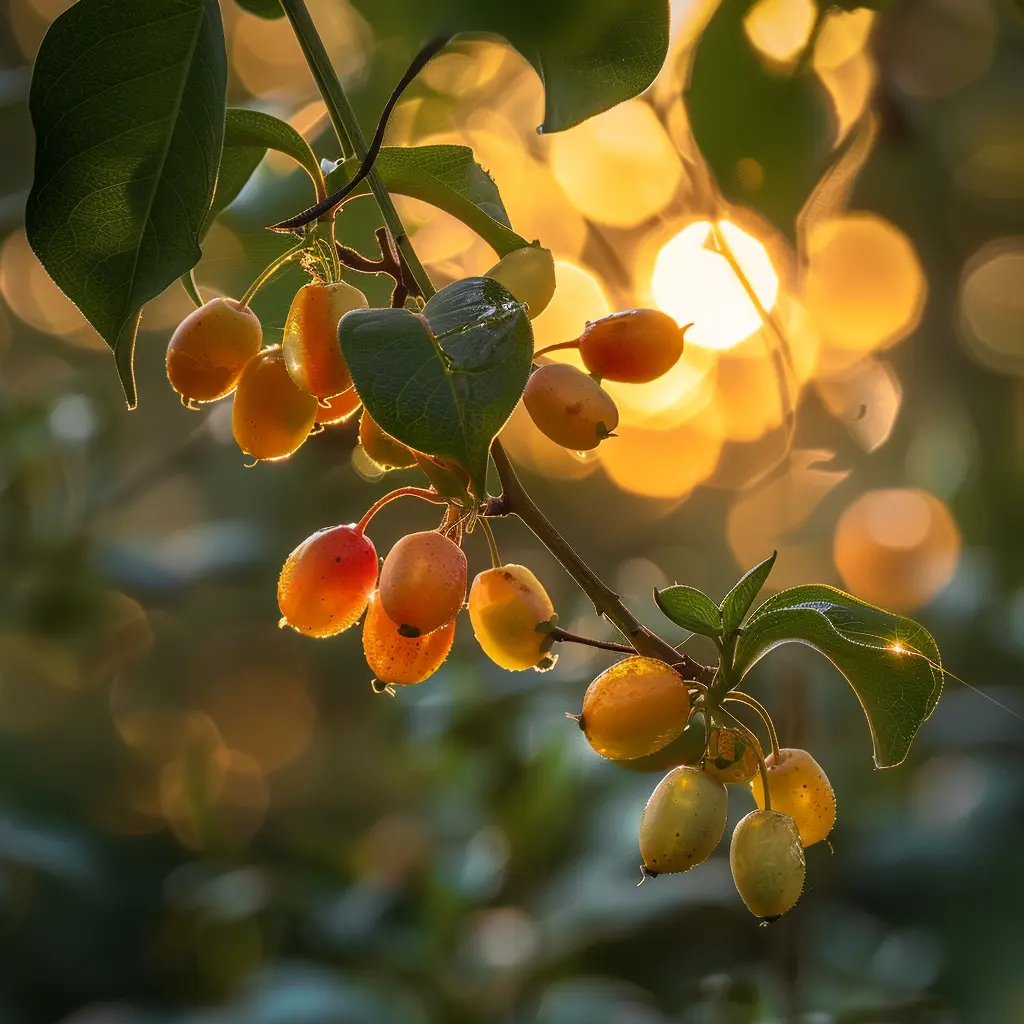
Olive as a whole plant is truly that girl—she tastes great on her own; when pressed, she gives us a beautiful substance to cook with; and she’s a staple in the Mediterranean diet, which is associated with cardiovascular health and longevity. In other words, she wants to see us thrive (and for a long time, too). Well, what you may not know is that she’s got even more to offer: meet the olive leaf.
While olives and olive oil have been cultivated for over 3,000 years for food and plant medicine purposes, the leaves may have only been added to the medicinal repertoire in the 1600s. Even though olive leaf extract was used by the Ancient Egyptians and later the Ancient Greeks, it didn’t reach holy-grail status until the 1600s. In ancient times, it was generally considered to provide “restoration” for the body. More details about this lesser used part of the olive tree would be revealed once it was studied years later.

English herbalist John Gerard reported in 1633 that olive leaves and buds could help support the body’s necessary functions. This discovery led to more specific traditional uses of the olive leaf: support of glycemic, cardiovascular, and immune health. These uses are made possible through a bitter compound in the leaf, oleuropein (also found in olive oil), which is shown to have antioxidant properties.*
Today, we often use this plant specifically for microbiome and digestive support, especially in cases where clearing, balancing botanicals are needed. This plant helps us to maintain symbiosis in the GI tract, supporting the delicate balance that is needed to maintain whole whole body health, starting in the gut.*
“The olive tree is surely the richest gift of Heaven.” —Thomas Jefferson