
Oregon Grape

Berberis aquifolium

Latin Name: Berberis aquifolium

Herb Class/Action: Alterative, Hepatic, Bitter Tonic, Cholagogue, Healthy Inflammatory Response Support

Parts Used: Root, root bark

Flavors: Bitter

Energetics: Cooling, drying

Traditional Benefits: Supports our body’s natural healing process, liver support, digestive support, cardiovascular support, blood support, skin support, hormone support

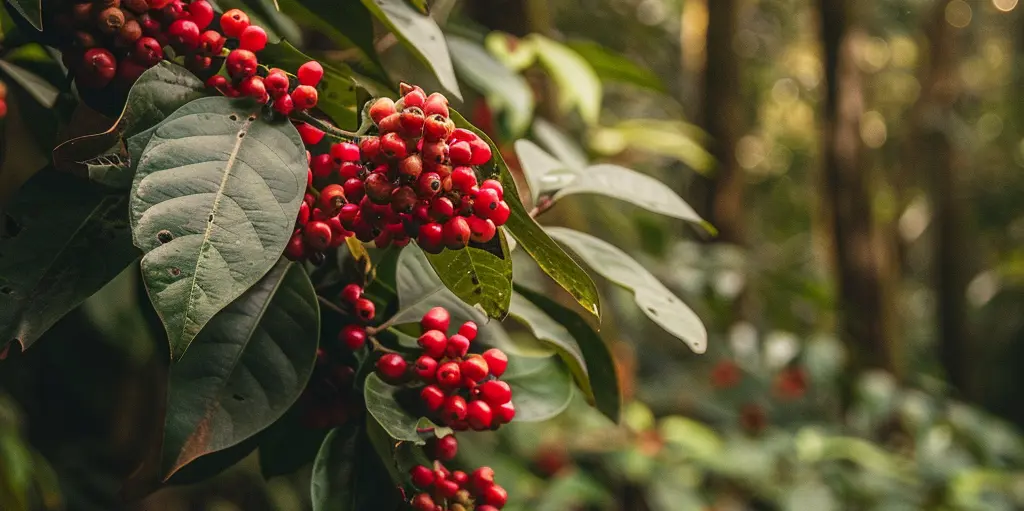
Closer to a tart berry than an actual grape, the Oregon grape (also known as holly-leaved barberry) is a bitter herb, historically harvested for its roots as a tool for digestive and microbiome health, liver support, and general well-being.*

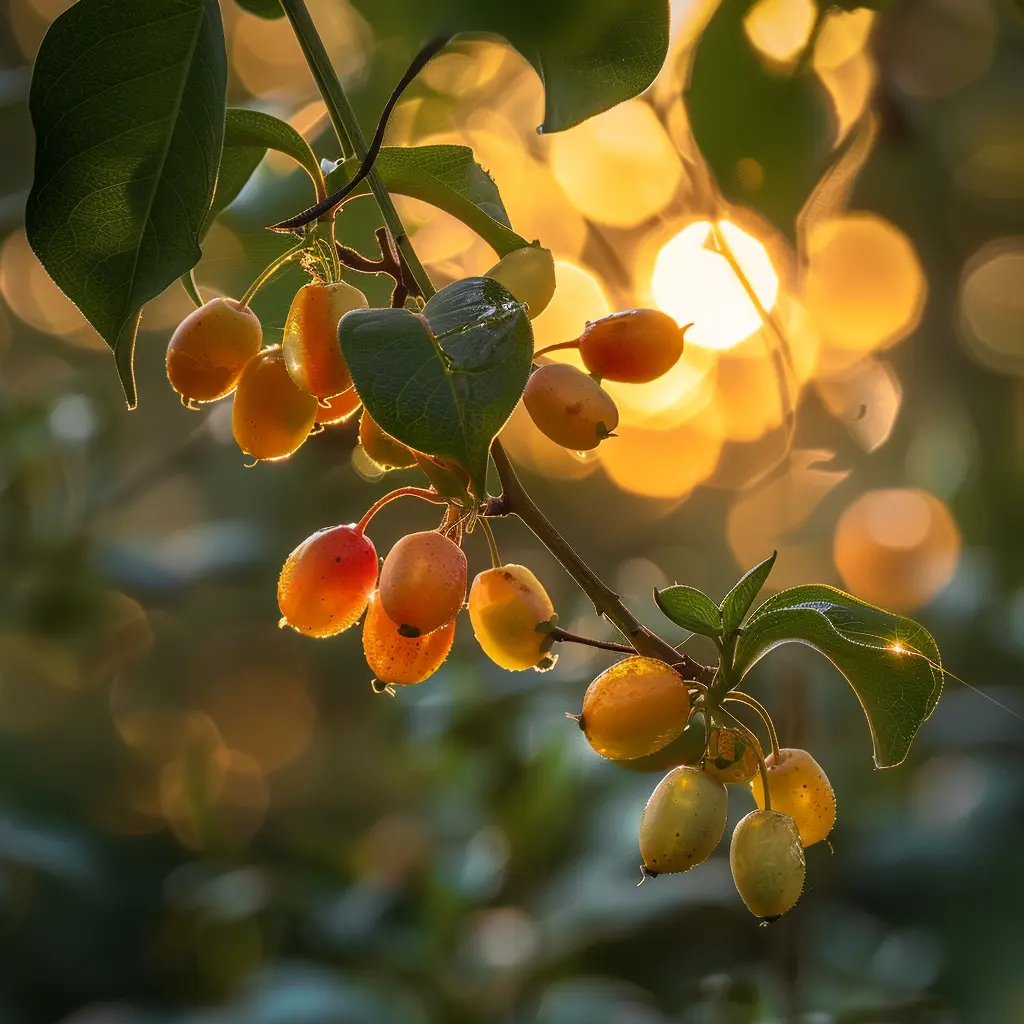
Oregon Grape is an evergreen shrub, with clusters of berries (resembling bunches of grapes) emanating from its bright yellow flowers. The shrub is native to mid-to-low elevation regions within the Pacific Northwest (hence the name, Oregon). Though the berries are edible, the best bioactives come from the base of the plant. In the spring or fall, herbalists harvest the roots and stem bark for use.

In Traditional Chinese Medicine and Ayurveda, Oregon Grape is used as a cooling herb — dispelling hot, damp stagnation relating to the liver and gallbladder meridians. Native American tribes (including the Apache, Nitinaht, Sanspoil, Miwok, and Blackfoot people) used Oregon Grape (once known as Indian barberry) for balancing bowel health, occasional digestive issues like gas and bloating, overall digestive and microbiome  health, and more.*

The chemical compound responsible for Oregon grape’s medicinal qualities is an isoquinoline alkaloid called berberine. Berberine is also useful in promoting healthy blood sugar metabolism, supporting the cardiovascular system, and supporting the liver and gallbladder.*

The species name, “aquifolium” comes from a combination of two Latin words: aqua (water) and folium (leaf)—describing the shiny, wet appearance of the herb’s leaves.

See Literature

Lorem ipsum dolor sit amet, consectetur adipiscing elit. Ut elit tellus, luctus nec ullamcorper mattis, pulvinar dapibus leo.

Check these powerful stress clearing organic ingredients

Rhodiola rosesa

Schisandra chinensis

Withania somnifera

Eleutherococcus senticosus

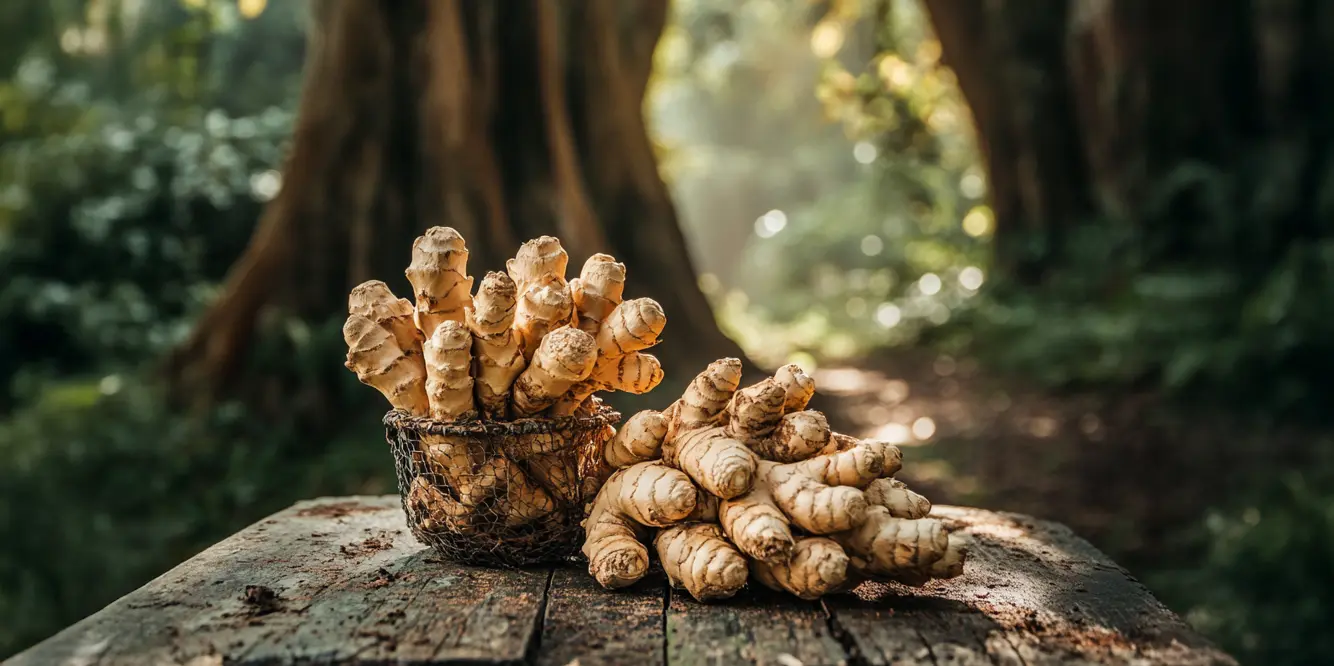
Zingiber officinalis

Rhodiola rosea is a clinically backed adaptogen that helps regulate the HPA axis and cortisol levels, protecting your body from the effects of chronic stress. It boosts cellular energy, supports neurotransmitter balance, and enhances focus and resilience—so you stay clear, calm, and energised under pressure.

Read more in our encylopedia

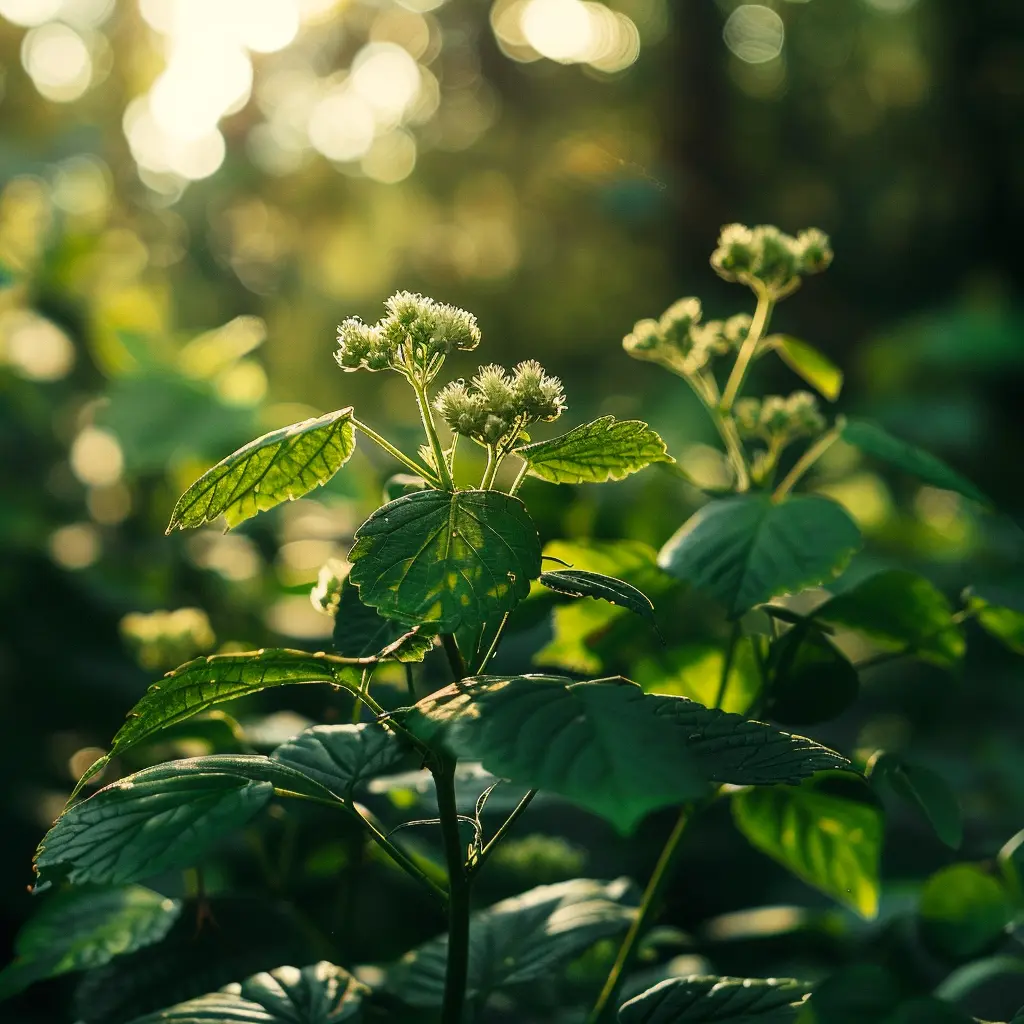
Schisandra chinensis enhances both phase I and phase II liver detoxification pathways to eliminate any toxin in your body effectively. Its potent lignans boost glutathione levels and protect liver cells from oxidative stress—supporting clean energy, mental clarity, and a more resilient response to daily toxic load.

Read more in our encylopedia

Better known under the name Ashwagandha, is a neuroendocrine tonic traditionally used to calm the nervous system and restore vitality. It helps regulate cortisol, enhances GABA signalling, and supports thyroid and immune function—promoting deep, restorative calm, sharper focus, and long-term stress resilience.

Read more in our encylopedia

Eleutherococcus senticosus is a powerhouse that strengthens your stress response and supports long-term energy without overstimulation.  It enhances oxygen uptake, mitochondrial function, and cognitive performance—helping maintain stamina, focus, and physiological balance during periods of mental and physical demand

Read more in our encylopedia

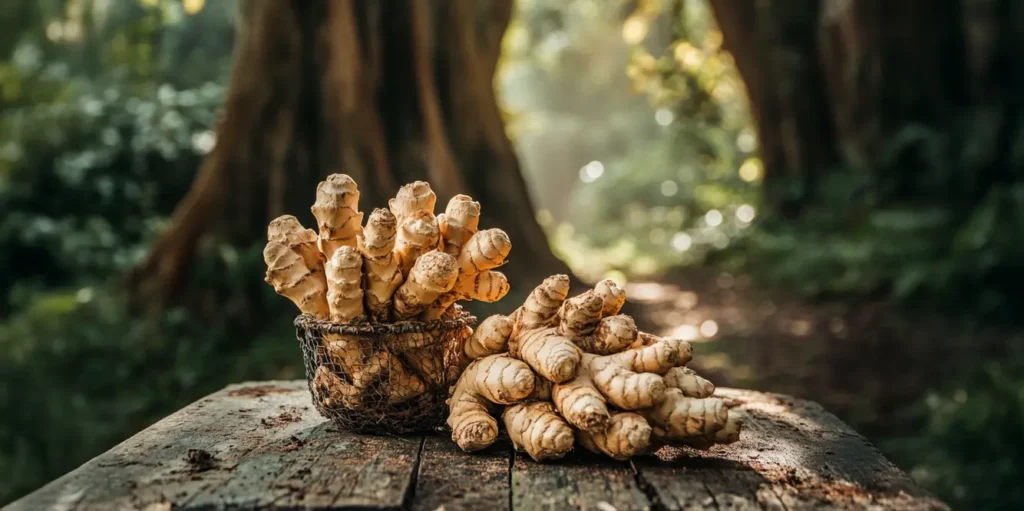
Zingiber officinale enhances the bioavailability of herbal compounds by stimulating hepatic enzyme activity, increasing bile secretion, and improving gastrointestinal motility—optimising nutrient absorption and the therapeutic efficacy of botanical formulations.

Read more in our encylopedia