Ceanothus americana
Latin Name: Ceanothus americana
Herb Class/Action: Lymphatic, Alterative, Nervine, Healthy Microbial Balance, Healthy Inflammatory Response Support
Parts Used: Roots, root bark, leaves
Flavors: Astringent, mildly bitter, sometimes aromatic
Energetics: Dry, neutral to warm
Traditional Benefits: Lymphatic support, liver support, damp-draining, spleen support, respiratory support, immune support
As a blood tonic and lymphatic + immune superstar, Red Root helps to maintain healthy lymphatic flow and normal fluid balance.*
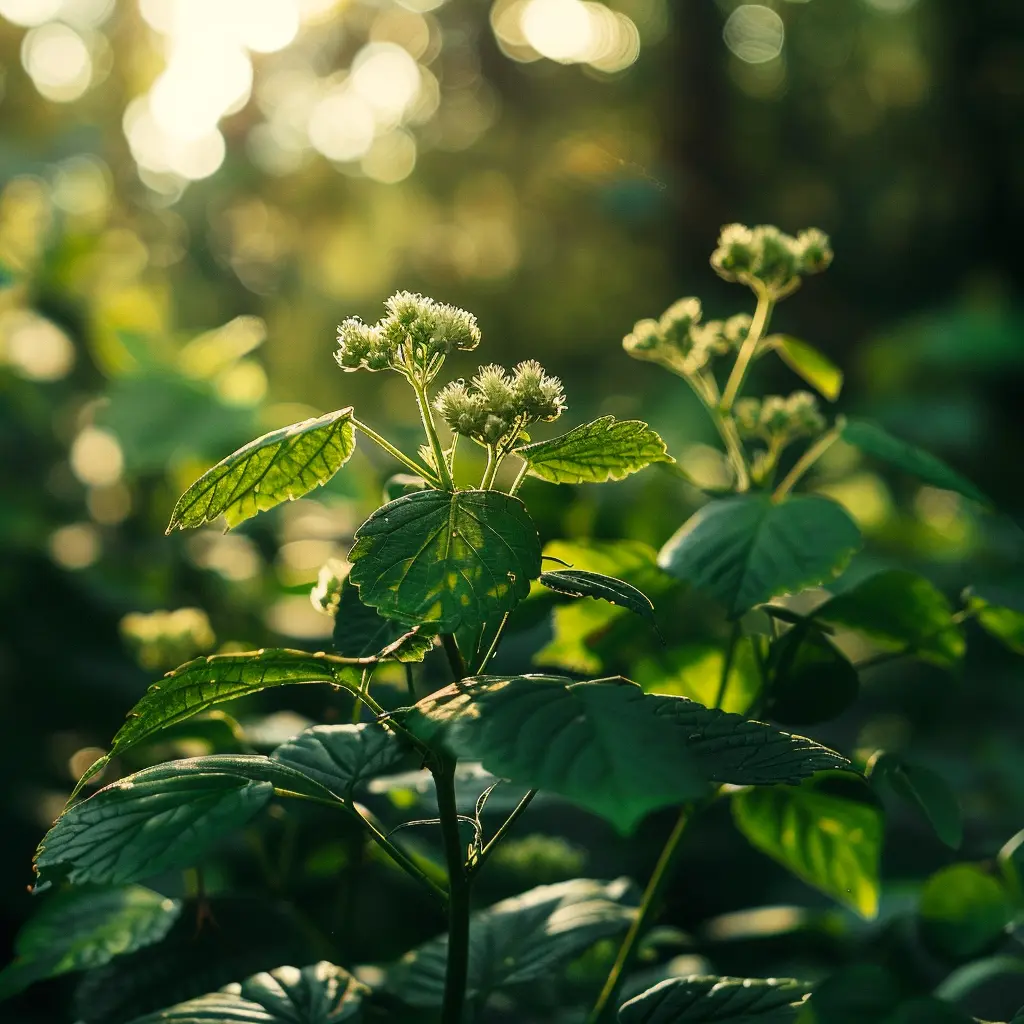
Nature’s version of a phoenix, Red Root is one of the first plants to be able to grow again after a fire. This strong-rooted, resilient plant is native to North America—found on dry plains, prairies, or uplands. Its roots and root bark are prepared in tinctures, as the alkaloids within the dense woody roots are alcohol-soluble, while its roots and leaves together are more commonly used in teas where more of the water soluble compounds can be extracted. Red Root is generally used for a short period of time to address in-the-moment immune health needs.
Red Root’s traditional medicinal uses date back to countless indigenous tribes across North America, with each group discovering unique and specific implications. Cherokee natives preferred to use the root for digestive health, whereas the Chippewa found this plant to be an invaluable respiratory ally. We owe much of our traditional knowledge of this plant to the teachings of indigeous peoples, as is the case with countless Western plants. In the 1800s, it became a popular substitute for black tea (especially following tea shortages after the Boston Tea Party).

Red Root’s most popular uses include lymphatic support, detoxification and digestive support, and its historical use as a “blood tonic,” supporting normal circulation and flow. Having an affinity for both the circulatory system and respiratory system, this is an herb with unimaginable value for a wide variety of uses. In modern times, we use this plant most often for immune and lung support, keeping in mind that its lymphatic properties assist with maintaining the normal production and movement of the body’s own immune cells. Red Root can also support a healthy liver and digestive system.
Red root is also known as bobea, buckbrush, deerbrush, desert buckthorn, lilac bush, mahala may, mountain lilac, mountain sweet, New Jersey tea, Oregon tea tree, redshank, sweet birch, tobacco brush, and wild snowball.
“Red root is one of our great unsung plant medicines.” —Michael Moore