
Arctostaphylos uva ursi
Latin Name: Arctostaphylos uva ursi
Herb Class/Action: astringent, diuretic, tonic, antiseptic
Parts Used: leaves
Flavors: slightly pungent + sweet, bitter
Energetics: astringent, cooling, drying
Traditional Benefits: urinary tract support, kidney support, digestive support, women’s cycle support, microbiome support, immune support
Uva ursi (aka bearberry) is like the mama bear of herbalism, helping to protect us, ground us, and strengthen our boundaries. This “urinary herb” is particularly useful for supporting a healthy bladder, kidneys, and urinary tract, as well as supporting women’s health.*
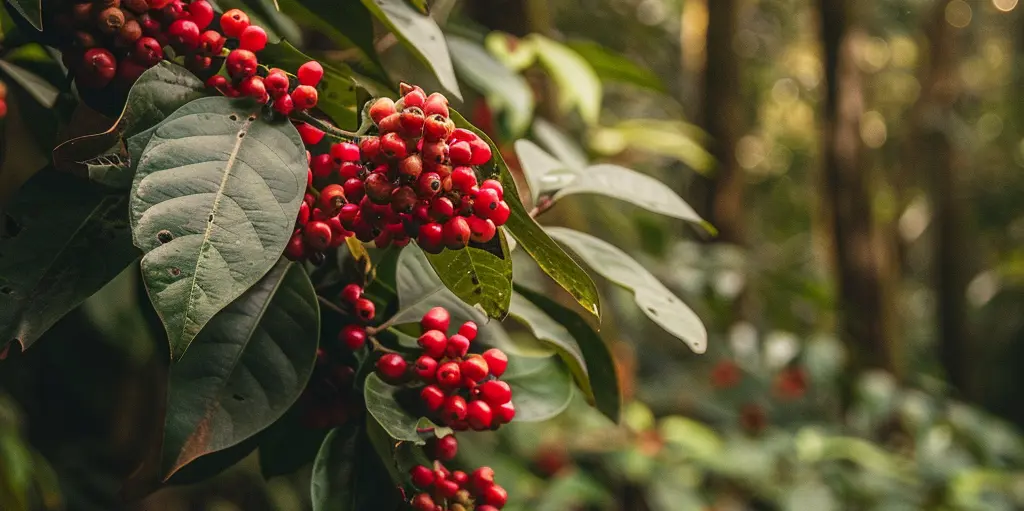
Uva ursi (commonly known as bearberry) is an evergreen shrub that produces red berries. It’s found in mountainous regions across the US, Canada, Asia, and Europe. As its nickname would suggest, uva ursi is what’s known as “bear medicine.” These types of herbs are known for their mama bear actions—helping to protect and strengthen us, while also grounding us to the Earth.
Some herbs have wildly different historic uses, but uva ursi is unique in that every known historic use is the same: to support urinary tract health. Many Native American tribes, European herbalists, and North American settlers were known to have found the same wisdom from Mother Earth. Talk about a mama bear herb—making sure her message was received loud and clear.

Though the plant does have edible berries, its real power comes from the leaves, which are commonly harvested during the summertime. It can be consumed as a capsule or tincture, but many modern herbalists prefer to prepare uva ursi as a decoction or tea. The taste is altogether fairly mild: somewhat bitter and astringent, with a slight sweetness. Because it doesn’t have the most distinct flavor on its own, uva ursi may be combined with other urinary-supporting herbs like cranberry for a more palatable cup of tea.
Uva ursi is an astringent, cooling, and drying herb, known to help balance and soothe, while ridding the body of excess heat and dampness. It’s been shown to help support a healthy inflammatory response, while also helping to maintain a healthy microbial balance (especially within the urinary system). Often consumed to help provide relief from urinary-related or menstrual discomfort, uva ursi helps soothe irritation, with help from a chemical in its leaves: allantoin (also found in soothing aloe). Other constituents include flavonoids (anti-inflammatory), volatile oils (give the plant its aroma/taste, help soothe), and iridoids (help support a healthy immune response).
Uva ursi’s bearberry nickname has another meaning: bears have been known to snack on the plant’s berries during the spring.